

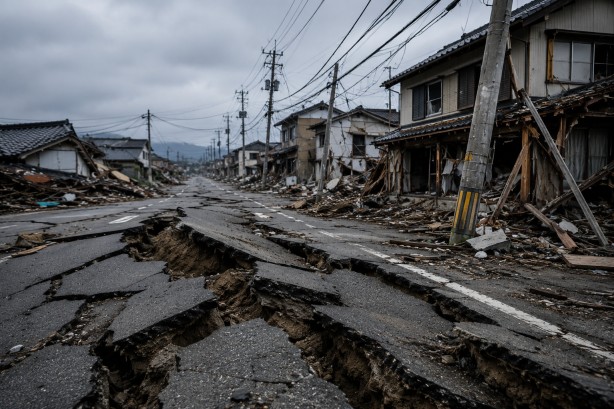
A significant earthquake has struck Japan’s Kyushu region, severely affecting the semiconductor industry and supply chains as several major manufacturers halt operations to assess potential damage. Kumamoto Prefecture, a crucial hub for semiconductor production often referred to as Japan’s “Silicon Island,” hosts major chip manufacturing facilities. Companies such as TSMC, Renesas Electronics, Sony, Mitsubishi Electric, and Tokyo Electron have been forced to suspend their activities.
Despite initial reports indicating no substantial structural damage at some facilities, production remains on hold. This pause is necessary because semiconductor equipment is highly sensitive and requires thorough inspection and recalibration before operations can safely resume. The earthquake has also disrupted transportation networks, complicating logistics and raising concerns about potential delays in chip deliveries.
The repercussions of the earthquake extend beyond the semiconductor sector. Major automaker Toyota has announced a temporary suspension of production at several of its plants due to challenges faced by suppliers and logistics issues. Similarly, Honda has extended the shutdown of its motorcycle manufacturing facility in Kumamoto, reflecting the broader industrial impact of the quake.
Other manufacturers in the region are currently evaluating the extent of the damage before deciding on a timeline for resuming operations. This evaluation process is crucial to ensure the safety and efficiency of production lines that are integral to various industries.
The earthquake’s impact on both manufacturing and logistics underscores the vulnerability of integrated supply chains to natural disasters. As companies work to assess and address the damage, global stakeholders are closely monitoring the situation, given the potential ripple effects on international markets reliant on Japanese semiconductor components.
