

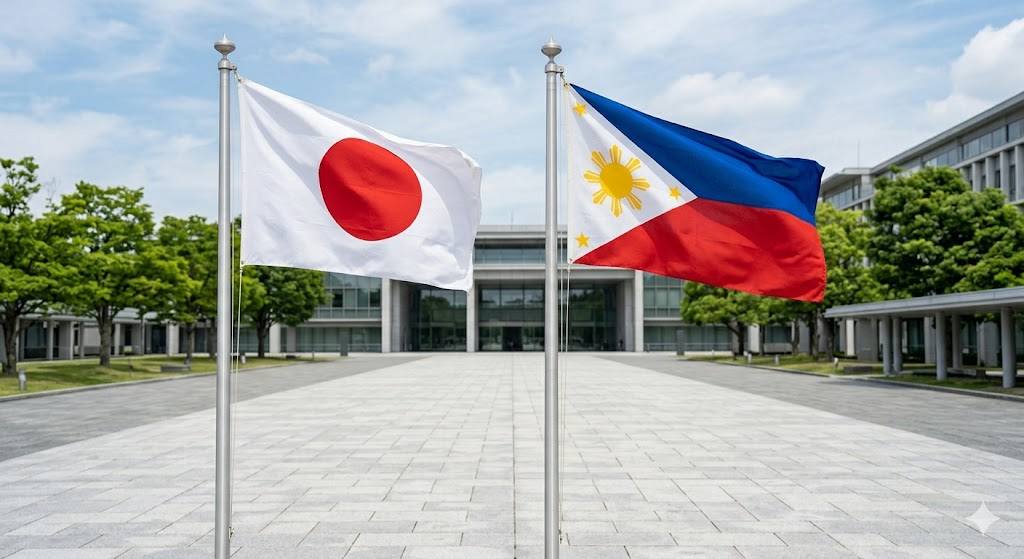
Taiwan has urged Japan and the Philippines to ensure that their discussions on maritime boundaries and Exclusive Economic Zones (EEZs) do not compromise Taiwan’s rights and interests in nearby waters. This appeal comes after Japan and the Philippines announced plans to negotiate their maritime boundaries and continental shelf claims in alignment with international law. Observers have noted that some of the proposed zones might overlap with regions claimed by Taiwan.
Taiwanese officials have received assurances from both Japan and the Philippines that any forthcoming agreements will not be legally binding on third parties and will adhere to established international legal standards. Taiwan’s government emphasized its commitment to engaging with both nations to protect its maritime interests, which include fishing rights and resource access in the affected areas. Furthermore, authorities have underlined that existing agreements with Japan and the Philippines remain valid and in effect.
This issue arises amid heightened regional tensions, particularly after China’s assertion of claims over waters to the east of Taiwan, coupled with its coast guard patrols in the area. Taiwan has firmly rejected these Chinese claims, reiterating its stance on sovereignty and maritime jurisdiction. The developments highlight the complex geopolitical landscape in the region, where multiple nations vie for maritime rights and resources.
Philippine officials have clarified that formal negotiations have yet to commence, and they emphasized that it is premature to predict the potential effects of any future agreements on fishing rights or territorial claims. As talks are still in the preliminary stages, the outcomes remain uncertain, but all parties involved are keenly aware of the sensitive nature of these discussions.
