

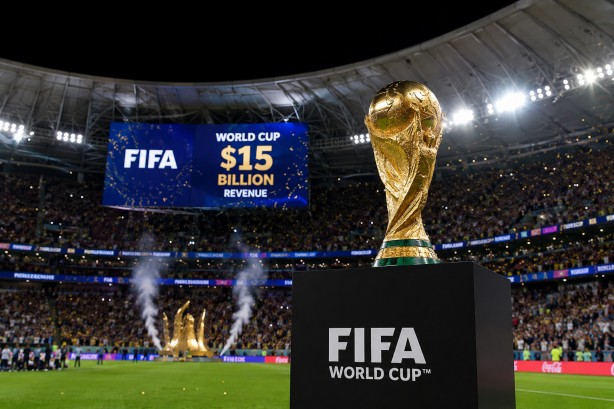
FIFA is on track to announce a record-breaking $15 billion in revenue from this summer’s World Cup, a substantial increase from the initial $11 billion estimate. This unexpected financial boost has been largely fueled by robust sales of hospitality packages and tickets, with the secondary ticket market playing a pivotal role. On these secondary-market transactions, FIFA earns a 15% fee from both buyers and sellers, significantly contributing to its revenue.
This financial success is poised to benefit FIFA’s member associations, though the precise distribution of these additional funds remains to be confirmed. The organization’s strong financial performance also bolsters the standing of FIFA President Gianni Infantino, who is anticipated to seek re-election in March. Infantino already has the backing of over 200 member associations, which enhances his position as the leading candidate.
The prosperous outcome of the World Cup has also enhanced the likelihood of the United States hosting another tournament in the future. While the 2038 World Cup is the next available event for bidding, there are ongoing discussions about a possible U.S. bid for the 2029 Club World Cup. These developments signal the growing potential for the U.S. to play a more prominent role in international soccer events.
In the meantime, as anticipation builds for the final match between Spain and Argentina in New Jersey, premium hospitality packages are still available. Some tickets, especially those offering exclusive “trophy lounge” experiences, are priced as high as $34,500 per person, underscoring the high demand and value of these offerings.
