

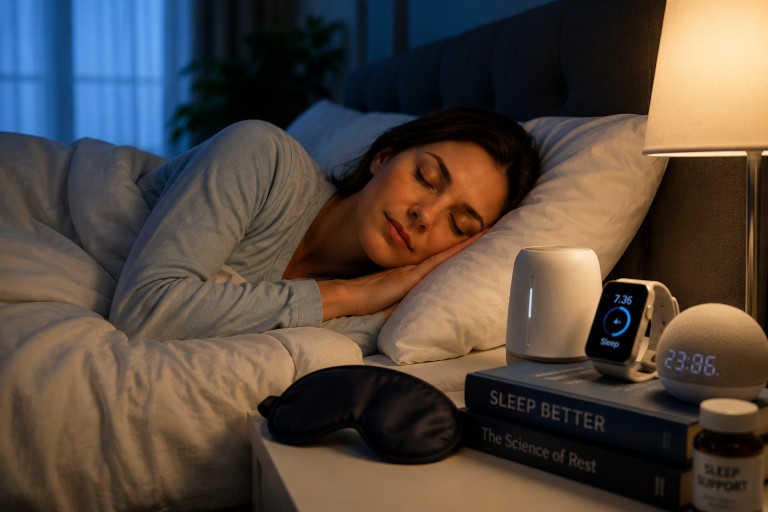
The pursuit of better sleep has spurred a thriving market for rest-enhancing products, including smartwatches, sleep-tracking apps, specialized mattresses, weighted blankets, and white-noise machines. Yet, experts caution that despite the allure of these technological offerings, they cannot substitute the fundamental practices required for healthy sleep. Factors such as stress, excessive screen time, irregular schedules, noise, uncomfortable temperatures, and untreated sleep disorders can undermine rest, regardless of technological advancements.
While a comfortable mattress or a high-tech wearable can enhance the sleep environment and offer insights into sleep patterns, they do not address all underlying issues. Persistent stress, anxiety, and inconsistent work hours demand more than just a smart device or new bedding. Over-reliance on sleep technology, in fact, can sometimes add pressure, as seen in the rise of orthosomnia—where individuals become overly fixated on achieving perfect sleep through data from trackers. This obsession can paradoxically make relaxation at bedtime more elusive.
The market for sleep-related products is expanding as awareness about the importance of quality rest grows. Beyond traditional mattresses and pillows, the industry now includes wearable trackers, sleep apps, smart beds, and wellness programs, with sleep-centric hotels and retreats also gaining popularity. This shift underscores a broader recognition of sleep as a vital component of overall health rather than mere downtime.
Despite the allure of gadgets promising better sleep, they cannot solve every issue. Sleep trackers might offer an overview of sleep patterns, but they fall short of diagnosing or resolving the myriad causes of poor sleep. Factors like work stress, late-night screen use, caffeine consumption, and health conditions can all disrupt rest. The online trend of “sleepmaxxing,” which involves optimizing sleep with routines, products, diet, and technology, carries the risk of turning sleep into yet another performance metric, caution experts.
Ultimately, the keys to healthy sleep remain surprisingly straightforward. Consistent sleep and wake schedules, physical activity, stress management, and reduced screen exposure before bedtime are foundational habits for restful sleep. Creating a comfortable bedroom environment—quiet, dark, and at a suitable temperature—also supports relaxation. Importantly, persistent or severe sleep difficulties should not be tackled solely with consumer products. Symptoms like chronic insomnia, loud snoring, breathing interruptions during sleep, or significant daytime fatigue may warrant professional medical evaluation.
