

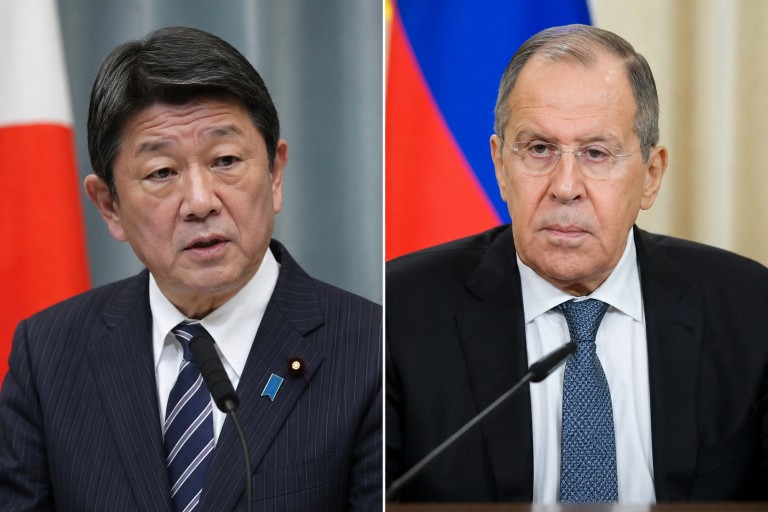
Japan’s recent diplomatic interactions with Russia have sparked concern among European partners as the G7 summit approaches, illustrating a division in approaches to engaging with Moscow amid the Ukraine conflict. Some European nations have expressed unease over Japan’s dialogues with Russian officials, suggesting these interactions might undermine the Western strategy of isolating Russia through sanctions and diplomatic pressure.
In a move that drew criticism, Japanese officials from the foreign and trade ministries, alongside key business representatives, traveled to Russia in late May. They held discussions with Russian counterparts focused on economic development and industrial matters, emphasizing the interests of Japanese businesses operating there. Defending these engagements, Japanese authorities argued that maintaining communication channels is crucial, even during times of diplomatic strain, to safeguard their business interests in Russia.
This situation underscores Japan’s challenging position as it attempts to balance international sanctions on Russia with its own economic and energy concerns. Some political voices in Japan have advocated for stronger ties with Moscow, particularly due to worries about long-term energy security. Despite these engagements, Japan has maintained its support for Ukraine and continues to align with G7 sanctions policies. Recently, Tokyo reaffirmed its commitment to the Western stance by announcing additional financial aid to support Ukraine’s international efforts.
Japanese leaders clarified that no high-level political meetings with Russian officials are currently on the agenda. During the upcoming G7 summit, Prime Minister Sanae Takaichi is anticipated to reassert Japan’s support for Ukraine. The discussions at the summit are likely to address the apprehensions of European partners over Tokyo’s outreach to Moscow, as G7 leaders aim to present a cohesive front on Russia while managing their respective national economic and security priorities.
