

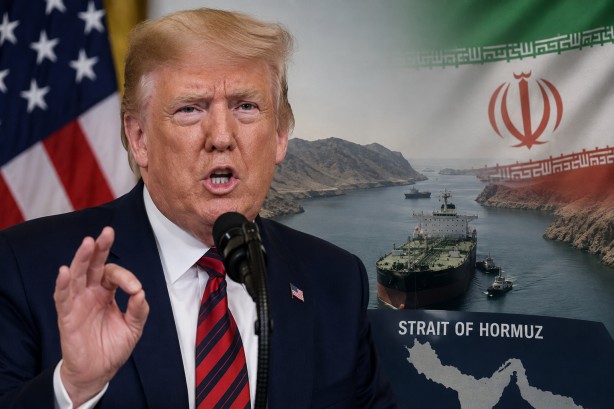
Tensions are high in the Gulf as Iran has issued a stern warning to regional states, cautioning that any new military strike by the United States on Iranian soil would provoke retaliation targeting key energy infrastructure throughout the Gulf. This warning comes amid discussions between Iranian Foreign Minister Abbas Araqchi and senior officials from Saudi Arabia, Qatar, Turkey, and Pakistan. Iran is urging these regional allies to convince Washington to refrain from any further military actions, emphasizing that any attack would prompt counterstrikes on US assets and vital energy facilities in the area.
The warning from Tehran follows a recent threat by US President Donald Trump aimed at Iran’s energy infrastructure. While Iran maintains that it prefers diplomacy, it has underscored its readiness to retaliate if necessary. Saudi Arabia has expressed its desire for the US to prioritize negotiations and avoid exacerbating the conflict, while also making it clear that it would protect itself against any aggression on its territory.
Iran’s potential retaliatory measures could include targeting critical oil facilities, refineries, power grids, water infrastructure, transportation networks, and oil fields should the US launch another attack. This situation has underscored the growing anxiety that renewed hostilities could seriously disrupt Gulf energy supplies and contribute to regional instability.
In the meantime, leaders across the region are advocating for diplomatic avenues to avert a larger conflict that could endanger global energy markets. The emphasis remains on preventing an escalation that could have far-reaching consequences beyond the immediate region.
