

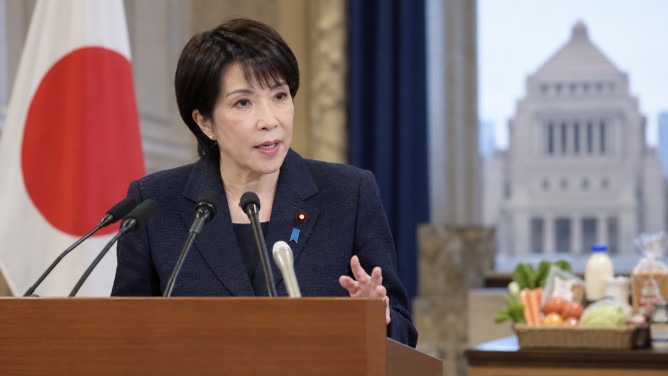
Japanese Prime Minister Sanae Takaichi has confirmed that the government will not extend a planned two-year reduction in the consumption tax on food and beverages, emphasizing the need for fiscal sustainability and maintaining confidence in Japan’s public finances. This decision was announced during parliamentary discussions on the proposed tax legislation.
Takaichi stated that the government plans to reinstate the original tax rate after the temporary reduction ends in March 2029. She highlighted the importance of consumption tax revenue in funding social security programs, underscoring the necessity of stable public finances to effectively handle potential emergencies such as natural disasters and infectious disease outbreaks.
The government has introduced legislation for the temporary tax cut accompanied by financial support for low- and middle-income households, seeking parliamentary approval during the current extraordinary session. Despite this measure, opposition parties have raised concerns that the eventual return to the original tax rate might exacerbate the financial strain on households, especially those already grappling with high living costs.
Takaichi has pledged that the anticipated shortfall in tax revenue would be managed without resorting to additional deficit-financing bonds, though detailed funding strategies have not yet been disclosed. The proposal has sparked debate over how the government intends to compensate for the loss of tax revenue.
This situation illustrates the complex challenge Japan’s government faces as it attempts to balance providing temporary relief to consumers with protecting the nation’s financial health and ensuring sustainable funding for essential social services.
