

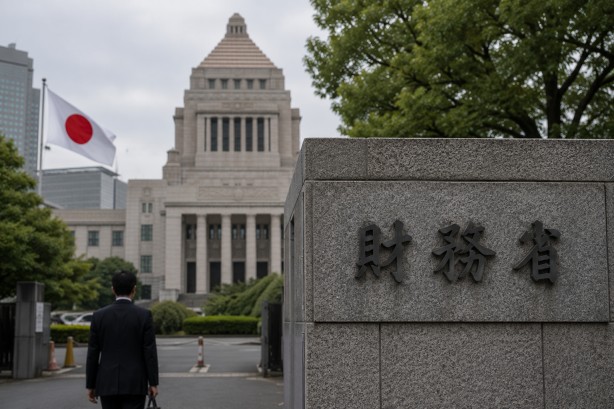
Japan’s government is encountering challenges in its effort to streamline corporate tax incentives, managing to propose the elimination of just one tax reduction out of about 120 assessed. This initiative aims to cut down on inefficient spending while generating funds for forthcoming tax relief plans. Despite the push for change, most ministries and government agencies have defended their current incentives, even those that see minimal use, insisting they remain aligned with long-term policy objectives.
The review process, led by Finance Minister Satsuki Katayama, has so far yielded unsatisfactory outcomes. Katayama has committed to conducting a more comprehensive evaluation in anticipation of year-end negotiations. The tax incentives under scrutiny collectively provide around 1 trillion yen in tax reductions, a significant sum that the government hopes to reallocate to support new fiscal policies.
The ultimate goal of this review is to secure additional revenue that can facilitate a temporary reduction in Japan’s consumption tax on food items. This reduction aims to provide financial relief to consumers without resorting to increased government borrowing, which remains a crucial consideration in Japan’s fiscal strategy.
Despite the limited progress, the government’s initiative underscores a broader effort to reassess and optimize tax policies to better serve the nation’s economic needs. It highlights the ongoing tension between maintaining established policy tools and adapting to new financial realities.
As Japan continues to navigate these fiscal challenges, the outcome of this review will likely influence future policy decisions. With Finance Minister Katayama’s commitment to a more thorough assessment, there remains a possibility for more significant changes to Japan’s tax incentive landscape in the near future.
